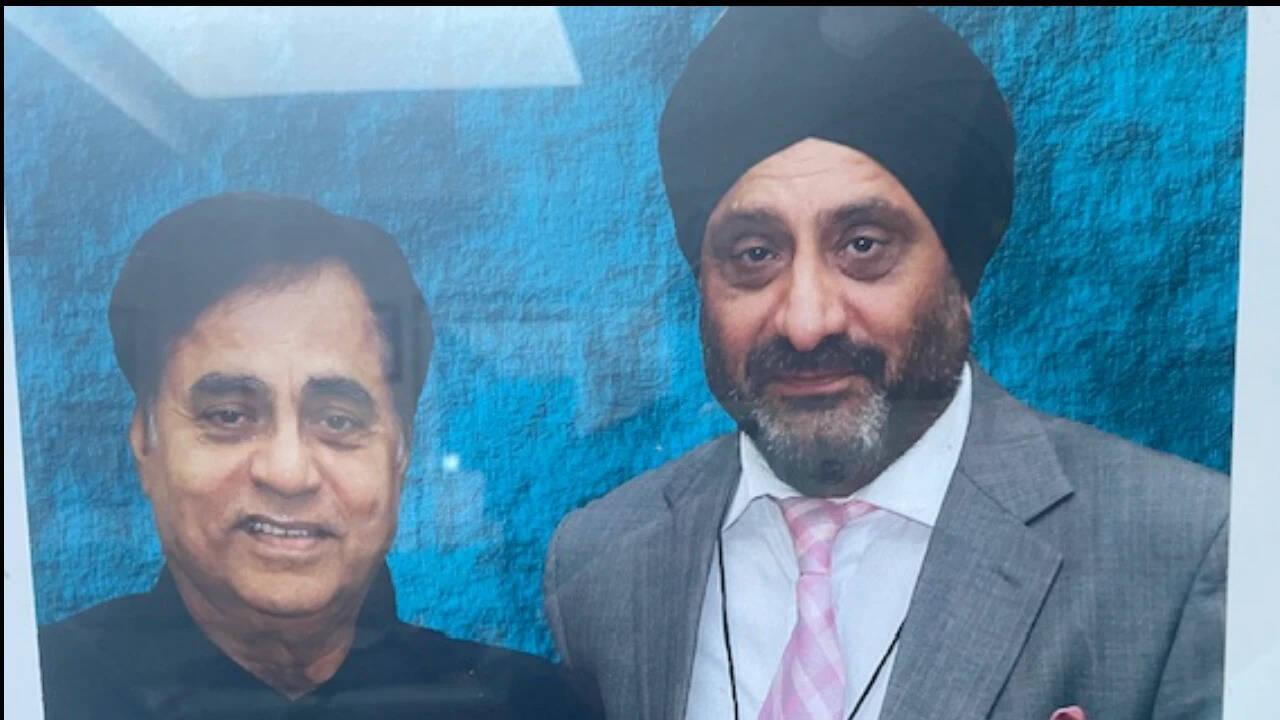
Honours lists are supposed to celebrate community pillars. But what happens when the state decides to take those honours back?
King Charles recently revoked the OBE awarded to Nirpal Singh Riat, a high-profile West London property developer and community figure. The Cabinet Office pulled the plug on his honor after local authorities accused him of managing substandard rental properties. It is a messy situation that highlights how rapidly public recognition can vanish when legal and regulatory battles turn hostile.
The Backstory Behind the Forfeiture
Back in 2011, Queen Elizabeth II handed Riat an OBE for services to charity and the Punjabi community. Fast forward to 2023, and Hounslow Council targeted his property portfolio. Officials claimed he ran 22 properties under appalling conditions, slapped unauthorized conversions onto buildings, and rented out outbuildings illegally.
The local council hauled him into court. Judges hit him with a heavy £300,000 fine.
Soon after, a local councillor lobbied the honours forfeiture committee inside the Cabinet Office. Riat’s legal team tried to fight back by writing to the committee, but communication stalled. He admits he didn't push hard enough early on, assuming the committee would never actually strip the medal. He was wrong.
A Growing Trend of Revoked Honours
Riat isn't alone in this fight. The system has recently pulled honours from other prominent British Indians too. Anil Bhanot, former managing director of the Hindu Council UK, and Tory peer Rami Ranger both had their titles stripped in 2024.
This creates a tense atmosphere among recipients who feel the state's forfeiture process lacks transparency and fairness. Ranger has already secured the right to a judicial review challenging the decision to strip his CBE. Riat plans to follow the exact same path.
Why the Forfeiture Process Faces Criticism
Critics argue that the honors forfeiture committee operates behind closed doors. When local political pressure intersects with national bureaucracy, defendants often feel they don't get a fair hearing.
Riat disputes many of the allegations, calling parts of the council's case fabricated. Yet, once a local authority secures a major court conviction or fine, the reputational fallout can trigger administrative penalties before defendants can properly clear their names through alternative legal avenues.
What Happens Next
The upcoming legal battles will test whether individuals can successfully fight back against state-level honours revocation. If courts rule in favor of figures like Ranger and Riat, the Cabinet Office might have to overhaul how it handles stripping titles.
If you are tracking how the UK handles public honours, watch the progress of these judicial reviews closely. They will set a major precedent for accountability and fairness within the honors system.