You can write a blank check for military hardware, but you cannot buy geographic immunity. Saudi Arabia drops roughly $83 billion a year on its armed forces, landing it among the top defense spenders globally. Yet, simple, low-cost drones and ballistic projectiles built with Iranian designs routinely pierce through a shield made of Patriots, THAAD batteries, and Eurofighter Typhoons.
The security crisis hitting Riyadh and its major international airports reveals a harsh military reality. Having the flashiest equipment in the world matters very little if the math of modern asymmetric warfare works against you.
The Asymmetric Cost Trap
Look at how the economics work on the ground. A single medium-range ballistic missile or crude loitering munition costs a fraction of what the kingdom spends to shoot it down. Interceptor missiles like the Patriot PAC-3 run into the millions of dollars per shot.
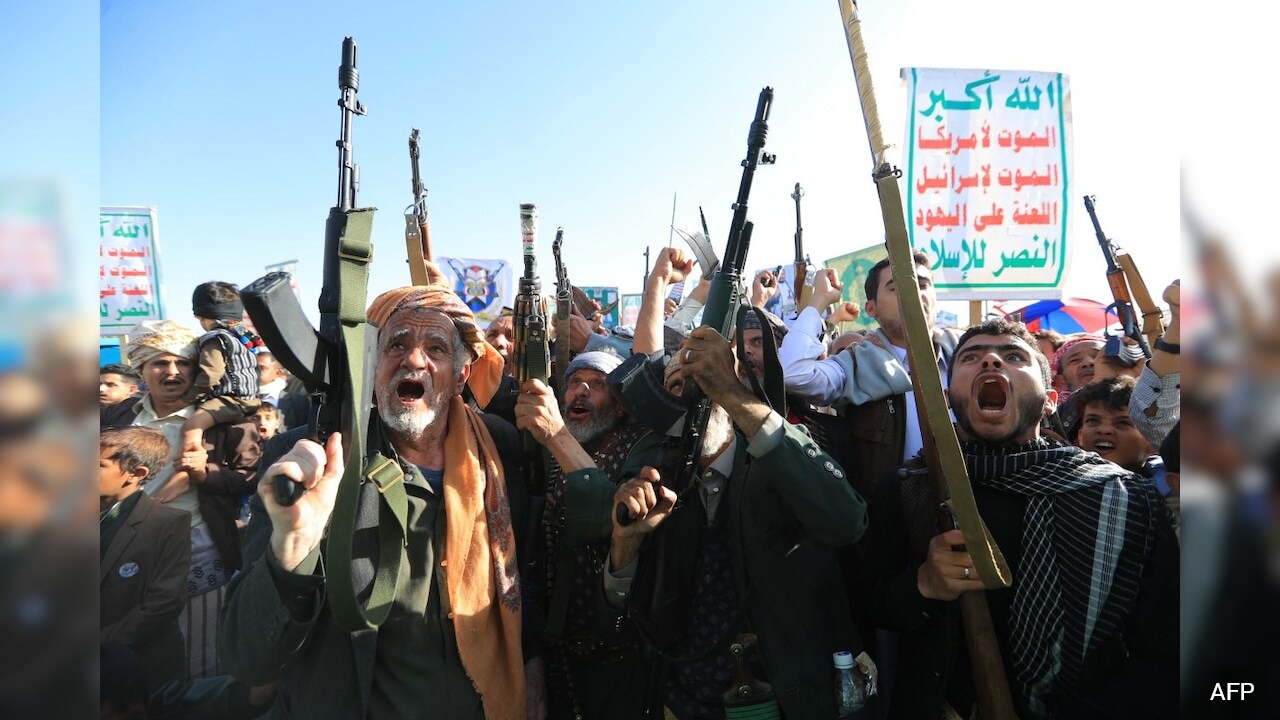
The Houthi movement relies on this financial imbalance. They don't need to destroy every single Saudi asset or win a conventional land war. They just need to keep launching cheap projectiles until the inventory of high-end defense systems runs thin.
When international diplomats and foreign investors watch explosions rock King Khalid International Airport, the fallout isn't just physical. It strikes straight at the heart of Crown Prince Mohammed bin Salman's Vision 2030 project. Billions flow into transforming Riyadh into an economic and tourism powerhouse, but security guarantees wobble the moment a drone slips past the radar.
The Physics of Defending a Massive Landmass
Defense analysts often point to a simple geographical constraint: Saudi Arabia spans roughly 2.2 million square kilometers.
Creating an impenetrable anti-missile dome over a tiny, compact nation like Israel or Singapore is difficult enough. Doing the same for a vast desert kingdom featuring sprawling oil installations, major population centers, sprawling airports, and remote border outposts is practically impossible.
King Khalid International Airport alone covers over 225 square kilometers sitting 35 kilometers outside downtown Riyadh. Layered defense grids must watch every single degree of the horizon simultaneously. If an air defense network misses even one incoming threat out of a mixed salvo of drones and supersonic missiles, the result makes international headlines.
Shifting Tactics and Changing Rules
The playbook changed dramatically after localized truces broke down and fighting reignited along Yemen's Red Sea coast. Houthi forces didn't stay on the defensive. They adapted.
By combining low-flying propeller drones with fast-moving ballistic options like the Palestine-2 or Toufan systems, they learned how to overwhelm radar operators. These mixed salvos force sensors to track multiple targets moving at vastly different speeds and altitudes. Confusion sets in, processing times stretch, and gaps open up in the coverage.
Worse still, these groups have proven they can strike targets thousands of kilometers away. The psychological impact matches the physical destruction. Citizens in Riyadh face repeated security alerts, while foreign embassies scramble to issue warnings when official communication stalls.
What Comes Next for the Kingdom
Riyadh wants out of the protracted entanglement in Yemen. Years of airstrikes have failed to stamp out a battle-hardened insurgency rooted in harsh, mountainous terrain. Instead, the conflict keeps bleeding back across the border into Saudi population centers.
The kingdom is signing new defense pacts with alternative partners like Pakistan and Turkey to diversify its security architecture. But hardware imports and foreign agreements won't rewrite the laws of physics or solve the fundamental dilemma of modern air defense.
Until the underlying political deadlock finds a permanent diplomatic fix, money alone won't buy quiet skies.