Diplomatic showdowns rarely hurt the architects who start them. They always hit the people standing at the bottom.
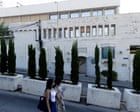
The British consulate in East Jerusalem is locking its heavy wooden doors. This abrupt closure isn't just a minor diplomatic spat. It's the fallout from the UK banning trade with illegal West Bank settlements and sanctioning those who finance them. In response, Israel ordered the historic mission to shut down.
Bilateral relations between London and Tel Aviv have hit rock bottom. Reports suggest the UK is weighing a retaliatory expulsion of 27 Israeli diplomats from London. Yet, while diplomats argue in secure rooms, the immediate casualties are everyday Palestinians who relied on this consulate for consular services, visas, and a direct line to British diplomacy.
A Historic Mission Forced Out
The British compound in the Sheikh Jarrah neighbourhood has seen decades of turbulence. The UK government bought the plot back in 1963 when East Jerusalem was under Jordanian control. It took four years to build, finishing just as the 1967 Six-Day War broke out and Israeli forces captured the territory.
For nearly sixty years, the consulate maintained a unique status. It answered directly to the Foreign Office in London rather than to embassies in Tel Aviv or Amman. It stood as a physical manifestation of Britain's refusal to formally recognize Jerusalem as belonging to any single sovereign state.
Now, that independent channel is gone. Israel's foreign minister, Gideon Sa'ar, pushed for this closure as a direct countermeasure against British settlement sanctions. Analysts point out that targeting the consulate was a calculated move with a very low political price for Israel, while placing the entire burden squarely on the local Palestinian population.
Why Palestinians Pay the Price
The UK embassy in Tel Aviv remains fully operational. That embassy serves Israeli citizens and handles standard diplomatic affairs. But the East Jerusalem consulate served a completely different demographic. It provided vital administrative access and diplomatic engagement for Palestinians living across East Jerusalem, the West Bank, and Gaza.
With the mission shuttered, those crucial avenues evaporate. Long-standing local residents in Sheikh Jarrah aren't surprised by the international fallout. Many view the move as another chapter in a long history of diplomatic withdrawal from the core issues facing the region. Decades of unfulfilled statements and reports from international bodies have left residents deeply cynical about foreign intervention.
The Broader West Bank Crackdown
This closure doesn't happen in a vacuum. Israel has already restricted the diplomatic activities of other European nations in the occupied West Bank, including the Netherlands, Spain, and Norway. European capitals are slowly shifting their posture toward illegal settlements, moving past empty rhetoric into targeted financial sanctions and trade bans.
Britain's recent push against settlement expansion—championed heavily by officials like Ed Miliband—marked a sharp break from decades of diplomatic inertia. But as foreign policy hardens in Europe, Israeli officials are retaliating by squeezing the physical footprint of European missions that engage directly with Palestinians.
When diplomatic channels close, communication breaks down. And when a mission dedicated to serving occupied territories is forced to lock its doors, the local population absorbs the blow. The union jack outside the Sheikh Jarrah compound is coming down, leaving behind a quieter, more isolated landscape for Palestinians who now have one less voice advocating for them on the ground.