Seventy-two human beings went out to dig for gold in a remote, mountainous patch of desert and never came home. When war strips away every conventional way to feed a family, dangerous manual labor becomes the only option left. That harsh reality turned fatal at the Jabal al-Uqaydat gold mine on the Sudan-Egypt border, where recent airstrikes left dozens dead and survivors fleeing into the rocks.
When you look past the geopolitical headlines, this tragedy exposes the brutal intersection of a devastating civil war, unregulated resource extraction, and high-stakes border disputes. Let's break down what actually happened at this disputed frontier and why this strike marks a dangerous escalation in North Africa.
Inside the Jabal al-Uqaydat Strike
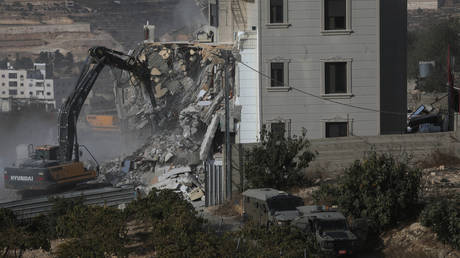
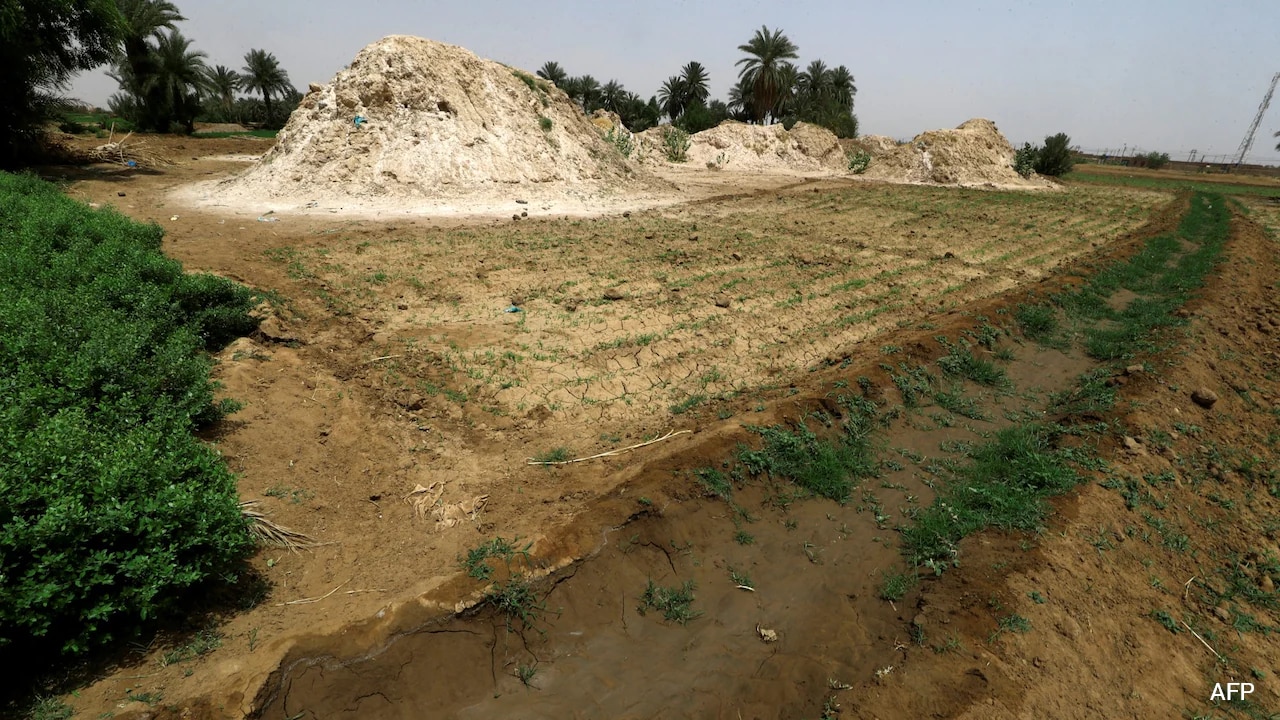
The attack didn't happen in a vacuum. On a Saturday morning, a fighter jet appeared over the remote informal mining site at Jabal al-Uqaydat, striking multiple times before workers could process what was happening. Survivors describe complete chaos. People ran up nearby mountain slopes, terrified of follow-up runs, while others scattered toward the local market miles away.
The Emergency Lawyers, a Sudanese rights group that documents atrocities, pinned the blame squarely on the Egyptian air force. Cairo hasn't officially claimed the attack, though the Egyptian military previously ran large-scale operations in the area targeting what it called illegal mining and arms smuggling.
Numbers coming out of remote conflict zones are notoriously tricky to verify. Initial reports put the death toll at 72 civilian miners, but because thousands of people work across these vast, disconnected desert tracts, verifying final casualties takes days or weeks. Many bodies remain trapped under rubble hours away from any major urban center.
The Flashpoint at the Halayeb Triangle
Geography plays a starring role in this disaster. The Sudan-Egypt border is heavily contested, with both nations claiming the resource-rich Halayeb triangle. It is a rugged, mineral-heavy territory stretching across hundreds of kilometers where state control is notoriously weak.
Egypt views the porous 1,200-kilometer border as a massive security vulnerability. Since the brutal war between the Sudanese army and the paramilitary Rapid Support Forces kicked off in April 2023, the region has seen an explosion of illicit trade, human trafficking, and desperate gold panning.
Cairo walks a fine diplomatic tightrope. It officially backs Sudan's army chief, Abdel Fattah al-Burhan, against the RSF. Yet, when informal mining camps pop up in disputed border zones, Egyptian authorities view them through a strict national security lens. Back in June, a similar airstrike on the exact same Jabal al-Uqaydat site killed 23 workers. The Egyptian army defended that earlier operation by stating it occurred firmly within Egyptian territory and resulted in the detention of over 200 people, including foreign nationals.
Why Artisanal Gold Drives the Sudan War
You can't understand the violence at these border mines without looking at Sudan's economic collapse. With the civil war killing hundreds of thousands and displacing millions, normal economic life has collapsed entirely. People are forced into artisanal gold mining just to buy bread.
At the same time, gold is the lifeblood fueling the ongoing conflict. Both warring factions rely heavily on mineral revenues to buy weapons, pay fighters, and sustain their war machines. Informal mining camps operate outside any government regulation, turning remote mountains into lawless economic hubs where thousands camp out in grueling conditions.
When regional powers target these hubs to stop smuggling or assert territorial claims, ordinary civilians pay the price. The miners aren't combatants; they are survivalists caught between an unforgiving desert and competing state militaries.
What Happens Next on the Frontier
This latest bloodshed raises uncomfortable questions about sovereignty, civilian protection, and the militarization of resource-rich borders. Rights organizations argue that repeated strikes on mineral-rich areas show a clear desire by authorities to forcibly expand control over contested land, regardless of the human cost.
As long as the civil war rages on inside Sudan, desperate people will keep flocking to remote goldfields like Jabal al-Uqaydat. Until diplomatic channels address the root causes of border insecurity and civilian protection in remote areas, these frontier zones will remain ticking time bombs.