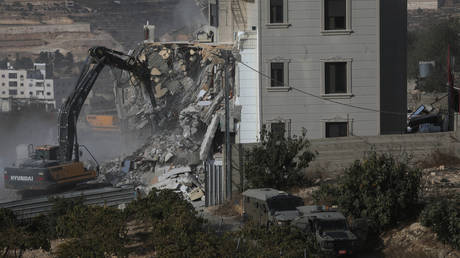
Paper agreements don't stop bombs. One year after a much-touted truce took effect in October 2025, more than 100 humanitarian, human rights, and civil society organizations have sounded a brutal alarm. They state plainly that the Gaza ceasefire exists in name only. If you look past the diplomatic press releases, you see a reality where civilians keep dying, reconstruction supplies are blocked, and families remain trapped in the ruins of their homes.
When international bodies declare a truce, the public expects a baseline of security. Instead, the past twelve months have exposed how fragile diplomatic words are when enforcement mechanisms don't exist. Over 1,400 Palestinians have been killed by Israeli forces since the agreement began, including hundreds of children, while thousands more sustain life-altering injuries.
The Ground Reality Behind the Paper Agreement
Diplomats in foreign capitals love talking about peace frameworks. People living in shattered neighborhoods deal with a different truth. International watchdogs, including Amnesty International, Save the Children, and the Norwegian Refugee Council, point out that daily operations never truly stopped.
Look at the numbers. More than 1,460 people have been killed and over 5,000 injured during a period meant to signal an end to hostilities. Not a single hospital in the strip functions fully. Roughly 1.4 million people face crisis-level hunger, and nearly two million lack proper shelter. Families bounce between damaged concrete skeletons and blistering tents, forced into impossible choices because construction equipment and heavy rebuilding materials remain heavily restricted at the borders. As discussed in detailed coverage by USA Today, the results are significant.
When you block essential repair tools, you aren't just delaying infrastructure projects—you're freezing human recovery.
Why Aid Restrictions Keep the Crisis Alive
A real ceasefire involves more than halting large-scale ground offensives. It requires opening corridors for life-saving cargo, medical teams, and heavy machinery. Yet, bureaucratic bottlenecks and military checks continue to throttle incoming shipments.
Clean water infrastructure tells the story clearly. Over 90 percent of households face severe water insecurity because wells, pipes, and sanitation plants were systematically smashed. Without replacement pumps and electrical parts, families survive on a fraction of the minimum emergency water requirements.
Organizations like the Center for Civilians in Conflict (CIVIC) emphasize that safety means nothing if basic survival elements are denied. When food, clean water, and medicine trickle in through locked gates, the designation of a truce becomes an empty political shield.
The Cost of Normalizing Endless Violence
The greatest danger right now is normalization. When continuous military operations, sniper fire, and localized strikes happen week after week under an official ceasefire label, the global community risks accepting these casualties as background noise.
Human rights leaders argue that the international community must move past hollow diplomatic comfort. Insisting that a truce is holding while children are still being killed daily insults the victims and strips away accountability.
If international law and ceasefire agreements are going to mean anything moving forward, oversight must carry teeth. Governments backing these pacts need to demand unhindered aid delivery, independent monitoring of violations, and immediate access for heavy reconstruction gear. Anything less leaves millions of people stranded in a permanent state of limbo, waiting for a peace that was promised on paper but never delivered on the ground.