Ceasefires in active war zones rarely come out of nowhere. When both sides agree to hold fire, it usually takes months of grinding diplomatic pressure, secret backchannels, and immense human suffering to force a pause. But the sudden announcement regarding the Russian-occupied town of Oleshky in the Kherson region operates differently.
Ukraine's military command confirmed it would observe a localized ceasefire in Oleshky starting at 3:00 am Kyiv time on October 27. This decision arrived right on the heels of a parallel announcement from Russian army chief Valery Gerasimov, who stated that Russian forces would halt operations in the Kherson sector at the exact same hour. The immediate driver? A desperate humanitarian crisis where trapped residents have watched food supplies dwindle to dangerous lows.
Yet, looking past the sudden tactical pause reveals a complex web of diplomatic interventions, tactical calculations, and glaring ambiguities that leave many wondering how long this fragile arrangement can actually hold.
The Diplomatic Push Behind The Lines
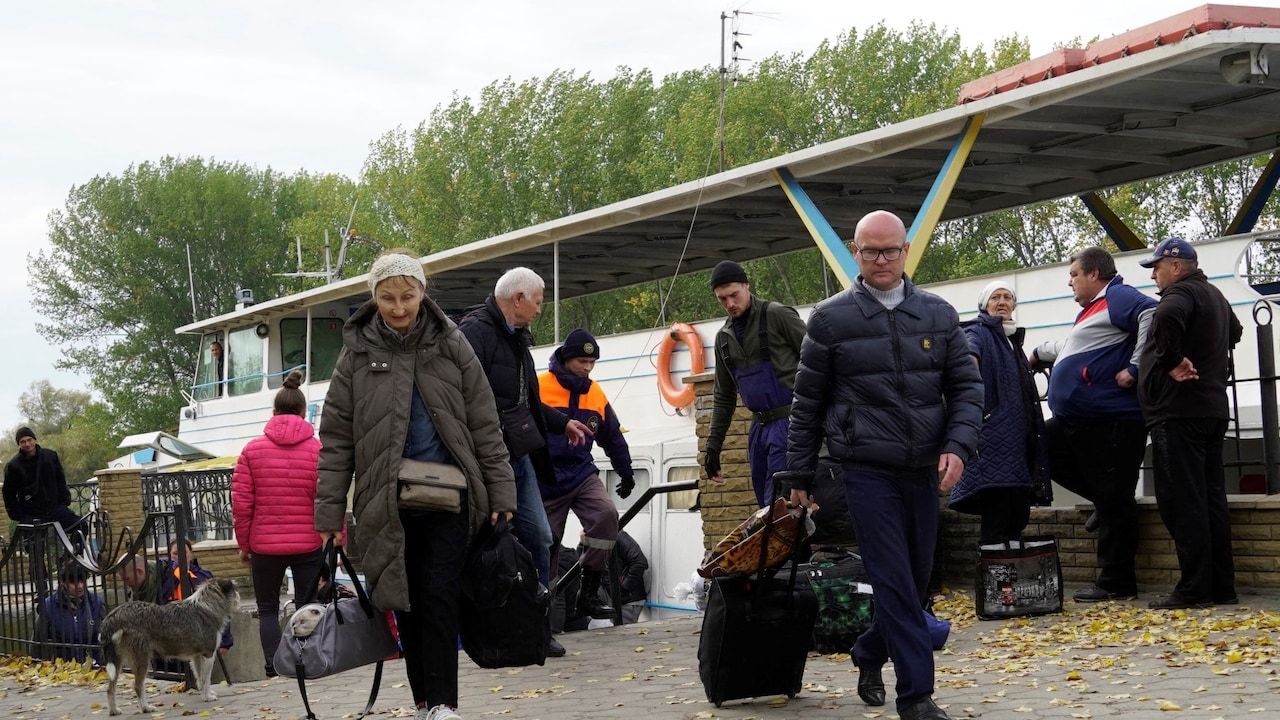
Rarely does a localized humanitarian truce materialize without high-level external prodding. In this case, US First Lady Melania Trump revealed earlier on Friday that she had personally brokered the localized ceasefire between the two warring sides in Oleshky. Civilians inside the occupied town have faced catastrophic conditions, trapped under heavy shelling, denied consistent aid corridors, and running dangerously low on food and basic medical necessities.
Diplomatic involvement at this level signals a shift in how humanitarian access is negotiated in entrenched frontline sectors. Rather than waiting for comprehensive peace talks—which remain completely stalled—third-party mediation is carving out narrow windows for emergency relief. It works in theory, but execution on an active battlefield is entirely another story.
What The Official Statements Leave Out
If you read the initial military statements carefully, the lack of operational detail is glaring. Neither the Russian nor the Ukrainian command specified how long the ceasefire is supposed to last. There is no clear expiration time, no established schedule for renewal, and zero verified details regarding the exact geographic boundaries of the designated zone.
An open-ended truce without defined parameters creates a massive security vacuum. Without a concrete timeline, frontline units on both sides are left guessing when hostility might resume. A single stray mortar shell, a misunderstanding at a checkpoint, or a rogue drone flight could shatter the fragile calm within minutes.
Furthermore, monitoring compliance remains an immense hurdle. Neither statement outlined an independent third-party oversight mechanism. When two adversaries occupying the same contested pocket of land rely purely on mutual trust to maintain a pause in fighting, history suggests the arrangement rarely survives long contact with reality.
The Realities Of Humanitarian Operations In Oleshky
Oleshky sits on the left bank of the Dnipro River in the Kherson region, an area that has experienced devastating flooding, persistent artillery exchanges, and harsh occupation dynamics since the early days of the full-scale invasion. Getting aid into this specific pocket requires navigating heavily mined terrain, destroyed infrastructure, and intense distrust between military administrators.
The Ukrainian Defense Forces stated that they are doing everything possible to assist local residents and ensure civilian safety during the window. However, humanitarian organizations know that a three-am start time and vague geographic bounds do not automatically translate into safe passage trucks rolling down cleared roads. Evacuating trapped citizens and delivering heavy provisions require precise coordination between military engineers, demining teams, and logistics personnel—none of which can be guaranteed in an unverified open-ended pause.
What Happens Next On The Ground
The success of the Oleshky ceasefire won't be judged by the press releases issued in Kyiv or Moscow. It will be measured by whether food trucks actually reach civilian shelters and whether families trapped on the wrong side of the frontline manage to escape before the shooting starts again.
Watch the reporting from local aid workers over the next forty-eight hours rather than official military channels. If supplies move and evacuations succeed, this localized model might pave the way for similar small-scale humanitarian corridors elsewhere along the southern front. If it collapses into renewed blame-shifting and broken promises, it will simply serve as another reminder of the brutal limits of wartime diplomacy.