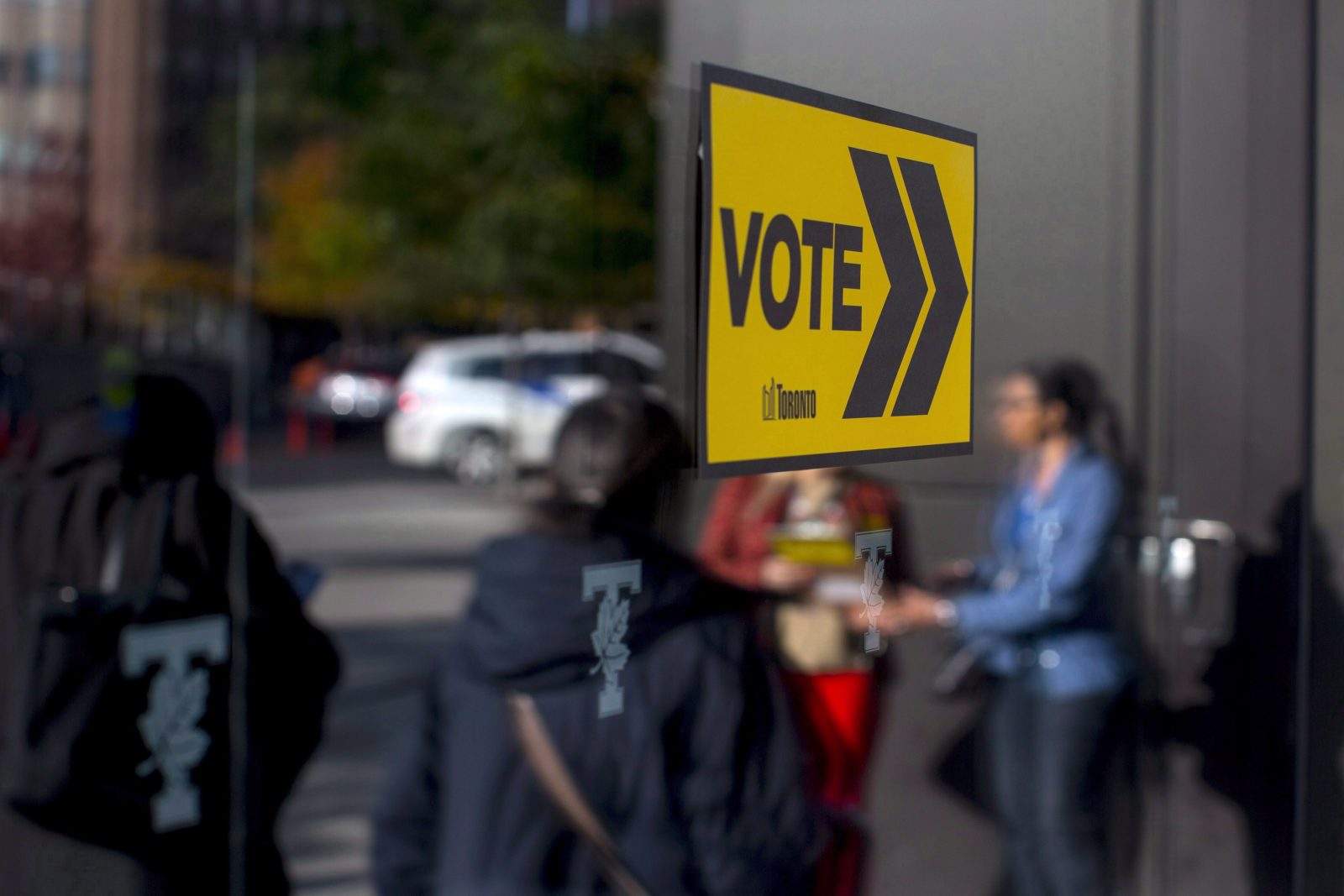
Walk down any Toronto street right now and you will hear the same anxious chatter. Rent prices are absurd, grocery bills sting, and finding a decent home feels less like house-hunting and more like winning a rigged lottery. As voters head toward the municipal ballot box on October 26, the mood across Canada's largest city isn't hopeful. It is exhausted, frustrated, and demanding change.
More than 50 candidates are fighting to lead Toronto for the next four years. Polls point to a brutal race between incumbent Olivia Chow and councillor Brad Bradford. Yet, regardless of who wins the mayoral seat, the core mandate from residents is loud and clear. People want immediate relief on housing, runaway costs of living, and crumbling transit infrastructure.
Let's look at what is driving voters to the polls and why the municipal government finds itself trapped between desperate residents and high-stakes provincial politics.
The Brutal Reality Of Toronto Housing And Affordability
If you ask anyone living in North York, Scarborough, or the Beaches what keeps them up at night, it isn't abstract political theory. It is survival. Food bank usage across the city has surged to historic highs. Families skip meals because a basic cart of groceries costs more than a tank of gas used to.
Renters bear the brunt of this economic squeeze. Long-term residents watch helplessly as neighborhood prices spike past reasonable limits. Mayoral candidates have pitched contrasting remedies. Chow leans heavily on building more subsidized units and pushing programs to combat food insecurity. Bradford counters with promises to freeze property tax hikes in his initial year and scrap land transfer taxes for homes under $1.1 million.
Property owners face their own financial cliffs. Skyrocketing property taxes force retirees and fixed-income families to sell homes they have lived in for decades. When local tax rates go up to cover municipal shortfalls, regular homeowners take the hit. They ask a fair question: how can families still recovering from years of inflation handle higher municipal levies?
The Transit Desert Divide In Scarborough
Nowhere is civic frustration more palpable than in Scarborough. Home to more than 600,000 residents, the district has felt ignored by downtown decision-makers for decades.
The closure of the old Line 3 rapid transit train left a massive void. While the city recently introduced a four-kilometre busway connecting Kennedy Station to Scarborough Town Centre six months ahead of schedule, residents view it as a band-aid fix. Subway extensions that run smoothly into northern suburbs like Vaughan stand in stark contrast to decades of stalled light-rail projects and empty promises in the east end.
Without fast, reliable transit links, economic mobility stays locked away. People spend hours commuting instead of building businesses or spending time with family. The next mayor must stop treating Scarborough like an afterthought and pour real resources into its transit expansion.
Clash With Queen’s Park And Local Governance
Municipal elections in Toronto never happen in a vacuum. City hall constantly fights or negotiates with Ontario Premier Doug Ford’s provincial government.
Recent friction points include provincial interventions on municipal speed cameras and the contentious removal of bike lanes on major arterial roads. Cyclists and urban planners argue that ripping out bike lanes compromises rider safety despite empirical data showing protected lanes save lives. Meanwhile, provincial leaders push forward with policy changes that routinely blindside city councillors.
Even housing and shelter strategies spark sharp community friction. Toronto’s 10-year plan to open more shelters across various neighborhoods meets stiff resistance from families worried about local safety and children playing nearby. Balancing compassion for unhoused populations with the very real security concerns of suburban ratepayers remains one of the toughest tightropes any municipal leader has to walk.
What Needs To Happen Next
Solving Toronto's crisis demands more than campaign slogans and ribbon-cutting ceremonies for bus lanes.
- Streamline Development: The city has to speed up zoning approvals and unlock underused public lands, especially in transit-connected areas, to flood the market with housing stock.
- Prioritize Forgotten Corridors: Transit funding must shift heavily toward equity, ensuring districts like Scarborough receive the rapid transit networks they were promised generations ago.
- Targeted Affordability Support: Municipal policy needs to protect vulnerable tenants from predatory rent hikes while giving relief to overburdened property taxpayers who cannot absorb another fiscal shock.
The October 26 vote gives Torontonians a chance to reset the city's trajectory. Ignore the political noise and look closely at who offers concrete solutions rather than empty promises.



