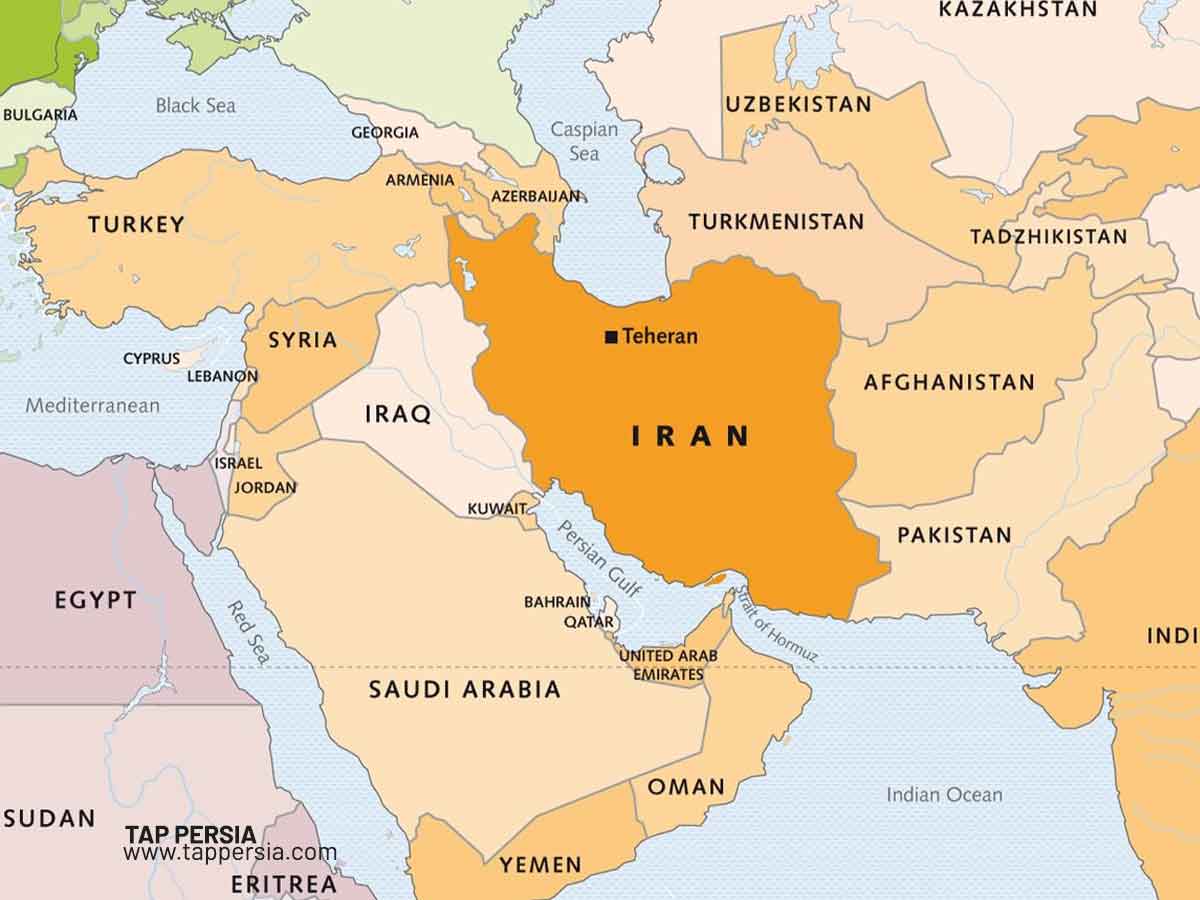
Foreign policy rarely presents clean binary choices, but President Donald Trump has managed to frame his administration’s current dilemma in the starkest terms possible. Speaking on the South Lawn of the White House before departing for Florida, Trump laid out a blunt strategic crossroads regarding the ongoing military conflict with Iran: do you finish the job off quickly, or do you simply let the conflict wither away on its own?
It's a question that cuts straight to the heart of modern American interventionism. When world leaders talk about letting a war "wither," they aren't talking about a peaceful resolution born of quiet diplomacy. They're talking about exhaustion, resource starvation, and the slow bleed of an adversary until they no longer possess the capability or the will to fight back. But for Washington, keeping a conflict simmering brings its own set of political and economic risks, especially with domestic voters hyper-focused on energy prices and economic stability ahead of midterm elections.
The Crude Oil Factor and the Strait of Hormuz
To understand why Trump is publicly weighing these options now, you have to look at what's happening beneath the surface of global energy markets. Tehran has long weaponized its geography, and the Strait of Hormuz remains the choke point that keeps Western policymakers awake at night.
Critics and political opponents have repeatedly sounded the alarm over potential supply disruptions, warning that shipping lanes in the Persian Gulf are under severe threat. Trump, however, rejects that narrative outright. He pointedly told reporters that oil shipments are moving out through the crucial maritime corridor in high volumes, asserting that current throughput numbers actually surpass pre-conflict levels. TIME has also covered this critical topic in great detail.
"We are getting everything we want," Trump stated, dismissing claims that Iranian maneuvers are successfully strangling global crude supplies.
At the same time, the White House has accused the Iranian leadership of manufacturing artificial crises—including alleged fake attacks and mine sightings in the Gulf—specifically designed to spike global oil prices and pressure American consumers before ballots are cast. By calling out what he labels an "evil regime," Trump is attempting to separate routine market manipulation from actual strategic vulnerability.
The Strategic Trap of the Slow Burn
Letting a conflict wither sounds appealing on paper because it avoids the messy, high-casualty fallout of a massive final offensive. Yet, history shows that slow-burning conflicts rarely stay contained. They drain defense budgets, keep regional alliances on edge, and leave markets in a permanent state of jittery anticipation.
Regional players are already feeling the strain. Turkish Foreign Minister Hakan Fidan recently warned that any new military escalation would risk tearing open wider fault lines across the Middle East. Other diplomatic channels, including back-channel talks brokered by Pakistan, have tried to keep communication lines open, but mutual distrust runs deep. Meanwhile, the domestic population inside Iran bears the brunt of the economic collapse, with food insecurity and currency devaluation spreading rapidly as the war drags on.
If Washington chooses the slow fade, it risks normalization of low-grade hostilities. Troops remain deployed, shipping insurers charge war-risk premiums, and any stray incident could accidentally trigger a massive escalation.
What a Quick Finish Actually Means
On the flip side, ending the war "very quickly" sounds decisive, but it requires a level of military force that carries massive geopolitical baggage. A rapid conclusion implies either a decisive capitulation from Tehran or a heavy-handed escalation from U.S. and allied forces to shatter remaining military infrastructure.
Neither option is clean. A sudden military push could trigger asymmetric retaliation, cyberattacks on critical infrastructure, or a permanent spike in regional instability. Yet, for an administration known for favoring high-impact, disruptive strokes over protracted nation-building quagmires, the temptation to pull the plug decisively is real.
Trump's public musing isn't just an off-the-cuff remark; it's a test of political appetite. He's floating the dilemma to gauge how markets, allies, and voters react to the prospect of wrapping things up on Washington's terms versus letting the adversary collapse under its own weight.
The clock is ticking on the decision. Whether the White House opts for a swift hammer blow or decides to watch the adversary fade out slowly, the outcome will reshape Middle Eastern security dynamics for the next decade.