When a category four hurricane bears down on the coast, nobody cares about party lines. They care about sandbags, evacuation routes, and whether federal help is coming. But lately, President Donald Trump has decided that emergency funding makes a solid campaign punchline.
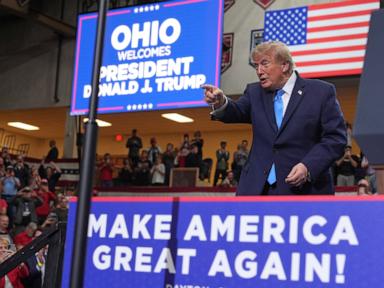
As the country sprints toward the midterm elections, disaster relief money is leaking directly into stump speeches and social media feeds. Trump has repeatedly paired emergency funding announcements with explicit support for Republican candidates. At a rally in North Carolina, he joked about withholding federal disaster aid if Senate nominee Michael Whatley lost the race. He quickly added that he was only kidding, but the room heard what they wanted to hear. Critics aren't laughing.
They argue that tying survival funds to political loyalty turns human misery into a transactional game.
The strategy isn't just happening at the podium. It's baked into how federal agencies communicate. In September, a FEMA press release about storm preparations listed eighteen Republican members of Congress as key partners while completely omitting Democrats representing the exact same affected regions. When reporters asked why Democrats were ghosted from the announcement, agency leadership stayed silent.
Data backs up the growing anxiety. An analysis by the Associated Press showed a glaring disparity in how emergency declarations are handled. Trump approved more than three-quarters of disaster requests from states that backed him in the 2024 presidential election. Meanwhile, less than half of the requests from states that voted the other way received the green light. Fifteen requests are currently sitting in bureaucratic limbo.
Defenders of the administration see nothing wrong with the approach. Local candidates have argued that Trump is simply trying to motivate voters or that his remarks were standard political theater. Jennifer Balkcom, a congressional candidate in North Carolina, defended the comments publicly, suggesting the President was just trying to rally the base.
Yet, policy experts warn that playing politics with disaster funding erodes the fundamental safety net of the country. Andrew Rumbach, a senior fellow at the Urban Institute who tracks presidential disaster declarations, noted that politicians have always tried to leverage crises. Even so, he called the current behavior unusual and deeply concerning.
When people stop trusting that FEMA or the White House will help them based on need rather than political affiliation, the entire emergency management system breaks down. Trust takes decades to build and seconds to wash away in a flood.
The midterm sprint is heating up. Expect more blurred lines between official federal duties and partisan rallies. If you're living in a disaster-prone state, keep a close eye on where your federal aid actually goes—and don't expect the rhetoric to cool down anytime soon.